Velimeşe OSB, Ergene / Tekirdağ  ·  +90 (282) 674 50 22
Process

How to Remove Moisture From Plastic and How to Dry It

The purpose of removing moisture from plastics is to obtain a quality product. The defects caused by insufficiently dried raw material are usually invisible to the naked eye, yet they directly affect mechanical strength and final quality.
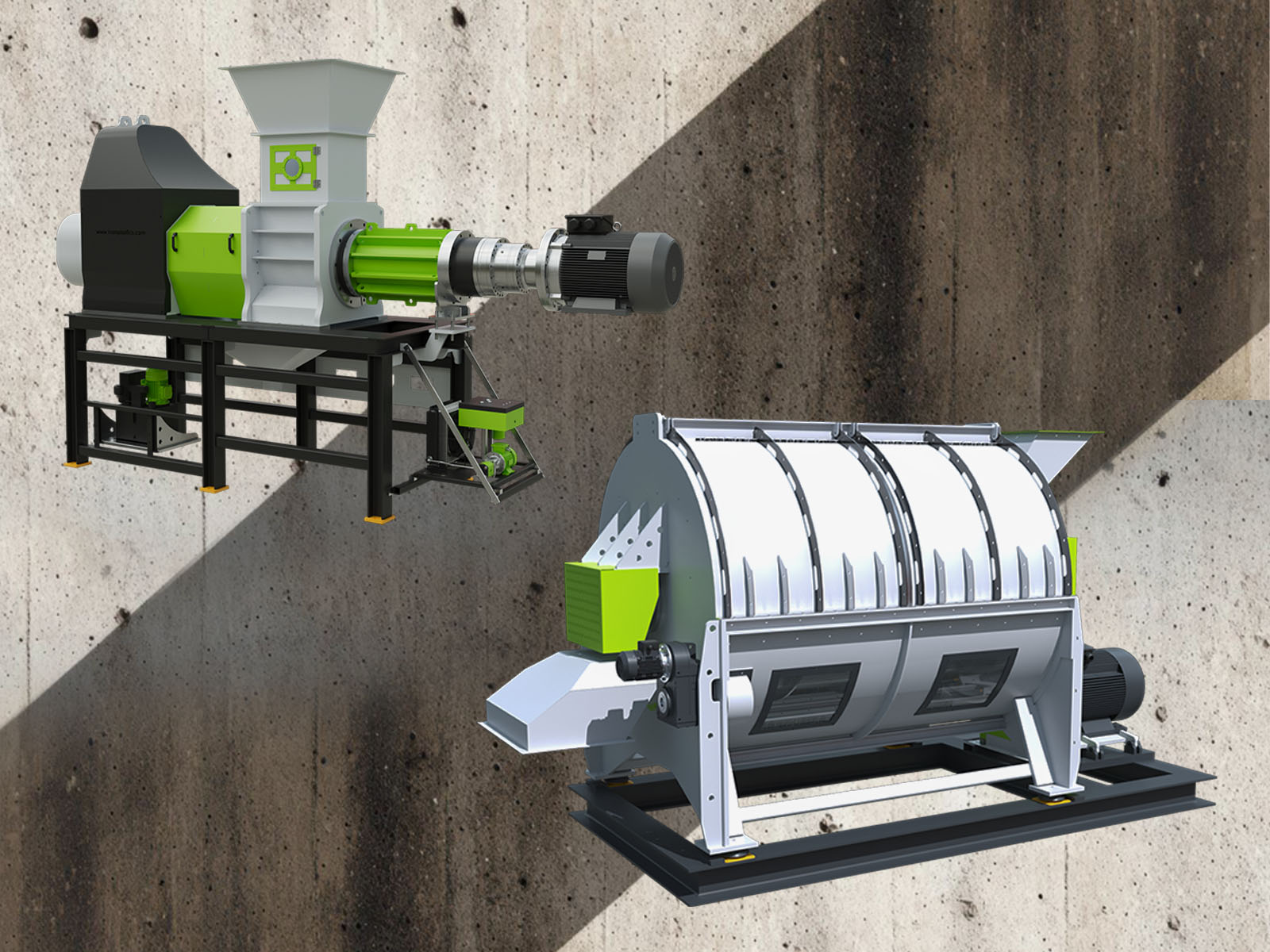
How to Remove Moisture From Plastic and How to Dry It

Key takeaways

  • Insufficiently dried plastic lowers mechanical strength and final quality, even when the defects are invisible.
  • Hygroscopic polymers (ABS, PET, PC, PBT, etc.) absorb moisture internally and must be dried; internal moisture cannot be removed by hot air alone.
  • Non-hygroscopic polymers (PVC, PP, PS, PE) usually carry only surface moisture, where applying heat can be enough.
  • Drying methods — desiccant, rotor, vacuum, compressed-air and hot-air — are chosen by material; correct temperature and time matter.

Why must plastic materials be dried?

Plastics are usually produced in pellet form and absorb moisture from the atmosphere. If not dried, plastic can undergo hydrolysis depending on its type, and undesirable changes occur in its physical properties. Removing moisture before processing prevents cosmetic defects (splay / silver streaking), avoids hydrolysis and helps prevent part failures.

Which plastics must be dried?

Hygroscopic polymers (ABS, acrylic, PET, PBT, polyurethane, polycarbonate, etc.) absorb moisture internally and release it into the air; drying them is essential, and internal moisture cannot be removed by hot air alone. Non-hygroscopic polymers (PVC, PP, PS, PE) do not take up moisture internally but may carry moisture on the surface; in this case, applying heat is sufficient to remove surface moisture.

Drying methods

  • Desiccant dryers — dry air passed through a desiccant bed draws out moisture
  • Rotor (rotary wheel) dryers — advantageous against over-drying, with energy savings thanks to a low regeneration temperature
  • Vacuum dryers — speed up drying by lowering the boiling point of water and reduce the risk of material degradation
  • Compressed-air dryers — compact, for small-scale operations
  • Hot-air dryers — for surface moisture and preheating on non-hygroscopic materials

It is important to follow the appropriate temperature and time during pre-drying; drying carried out at too low a temperature may fail to remove moisture to the desired level, even if it takes a long time.

The right drying solution for your line

Share your material; let us recommend the right drying and moisture-removal system.

Get a Quote
Frequently Asked Questions

Common questions on this topic

Why must plastic be dried?
If not dried, plastic can undergo hydrolysis depending on its type; insufficiently dried raw material lowers mechanical strength and final quality even when the defects are invisible.
Which plastics must always be dried?
Hygroscopic polymers such as ABS, PET, PC and PBT absorb moisture internally and must be dried, since internal moisture cannot be removed by hot air alone.
What methods are used to dry plastic?
Desiccant, rotor, vacuum, compressed-air and hot-air dryers are chosen according to the material, and following the correct temperature and time is important.