
Velimeşe OSB, Ergene / Tekirdağ  ·  +90 (282) 674 50 22
Product Group

Drying Systems

Drying units that remove moisture from washed material and prepare it for pelletizing and packaging.
Drying Systems

Why is drying critical?

Moisture on and within washed flake causes quality problems and energy loss during pelletizing. The drying stage prepares the material for the next step — extrusion or packaging.

Mechanical drying and screw press

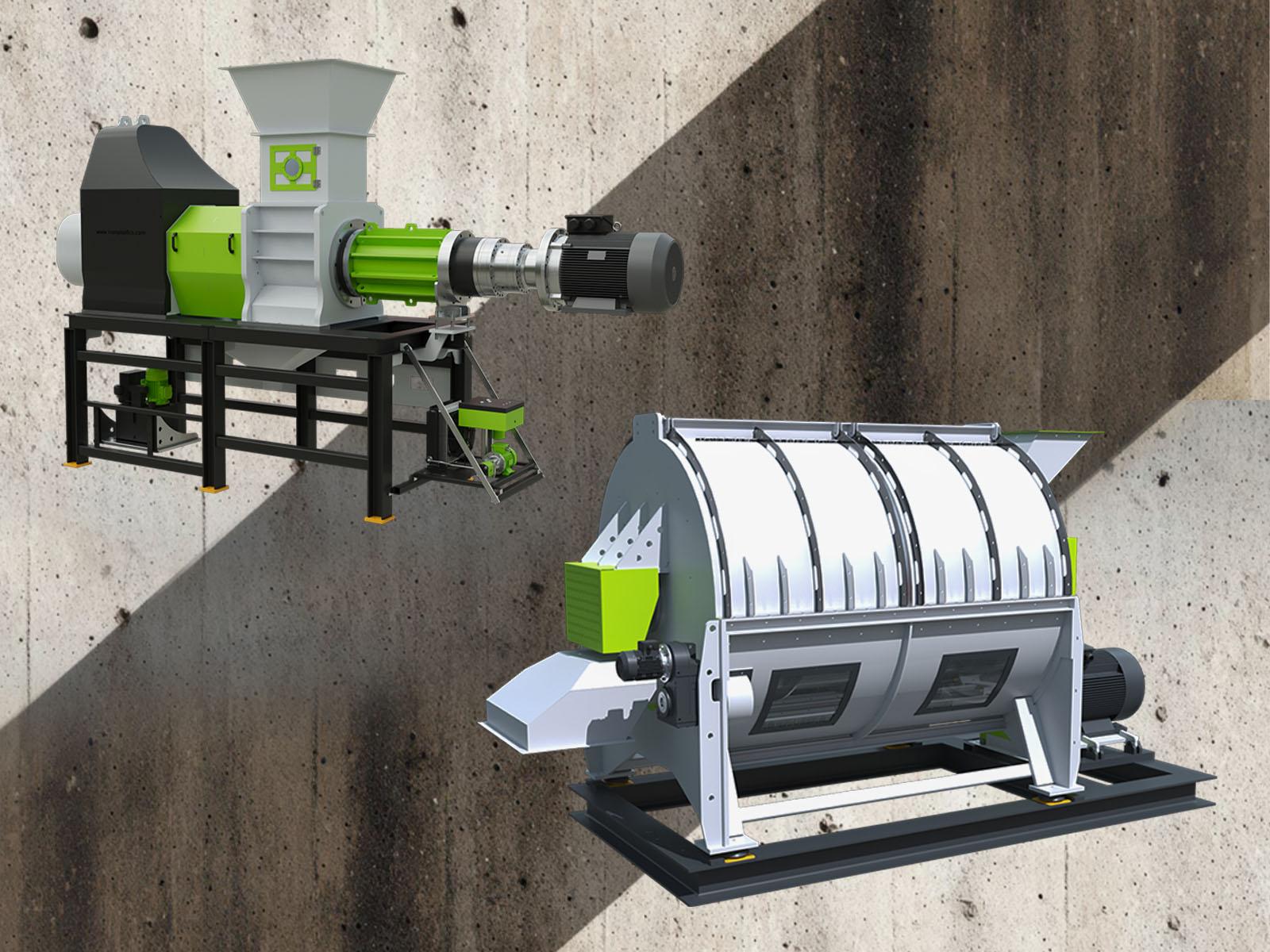
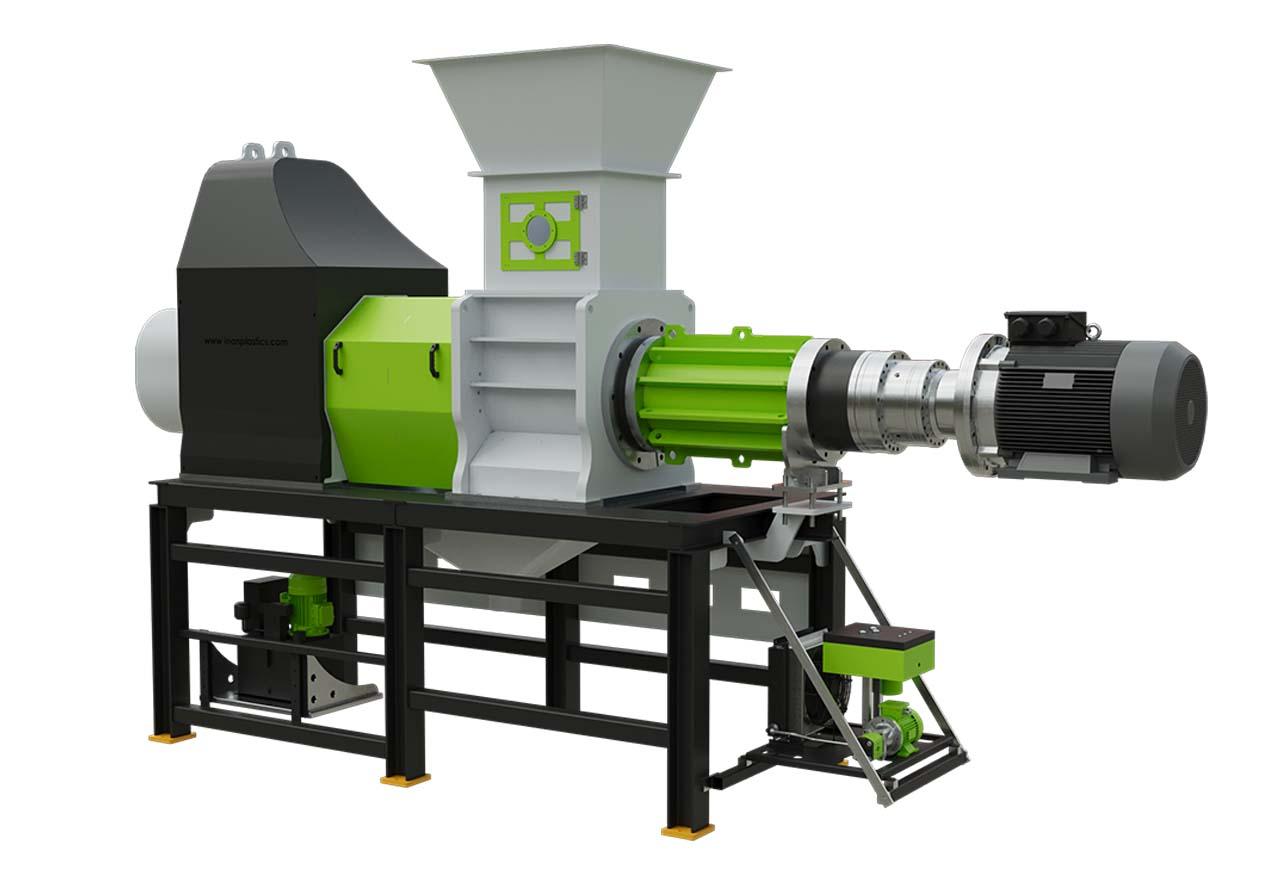
Mechanical (centrifugal) drying throws off surface water at high speed; the screw press removes water by screw squeezing, especially for film-type material. The two are often used together.

How drying works

The drying stage works as a chain that dewaters wet material from washing step by step. First, part of the bulk water is removed mechanically; then, especially for film and light material, a screw press applies intensive mechanical dewatering. In the final step, centrifugal (mechanical) drying throws off the residual surface moisture at high speed. The aim is to bring the material to the lowest practical moisture before extrusion or packaging.

Why does keeping residual moisture low matter? Because water carried on or within the flake directly affects the following steps:

  • Mechanical removal of bulk water after washing and draining of free liquid.
  • Intensive mechanical dewatering with a screw press; particularly effective on high-surface-area film material.
  • Throwing off residual surface moisture at high speed with centrifugal drying.
  • A low residual-moisture target before extrusion; it reduces the risk of steam and bubbles in the melt, and of clumping and odour during storage.

Choosing a drying system

The right drying solution depends on the form of your material and on the rest of the line. Film and flake do not behave the same way; likewise, the initial moisture coming from the previous washing stage shapes the equipment you choose. The criteria below help strike the right balance between mechanical drying and a screw press:

  • Material form: film or flake; each behaves differently during dewatering.
  • Initial moisture level: how much water the material carries out of washing.
  • Target residual moisture: the low moisture level required by the next step.
  • Pre-extrusion requirement: the dryness expected for melt quality.
  • Energy efficiency: increasing the share of mechanical dewatering to reduce unnecessary consumption.
  • Line position and previous washing stage: where the equipment sits in the flow and its feed conditions.

If you share your material and your line flow, we can evaluate the suitable configuration together. For detailed guidance, you can use our quote page or get in touch.

Machines

Drying Systems machines

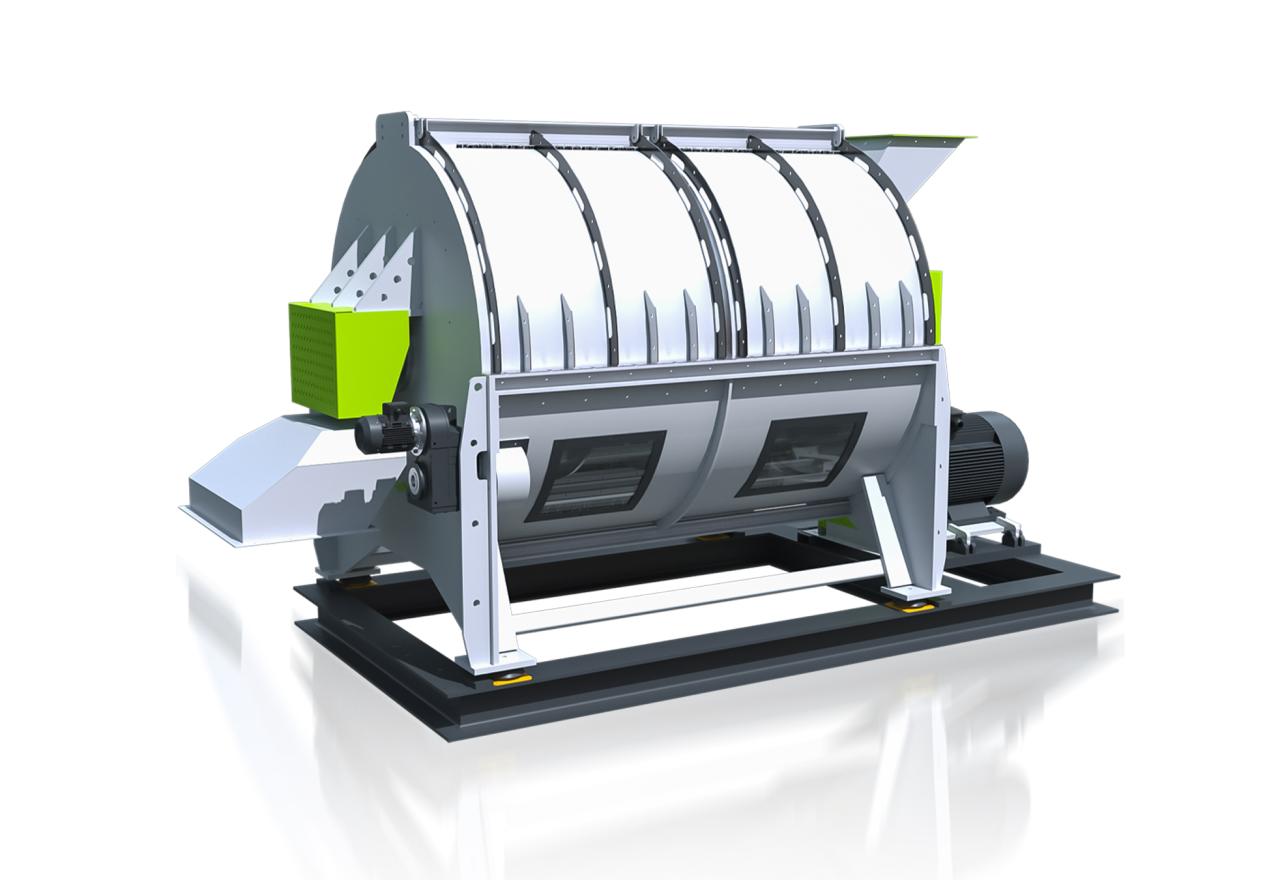
Mechanical Dryer

Mechanical Dryer

Mechanically removes the surface water from washed plastic flakes using a high-speed rotor and screen; it is the drying...

Detail →
Frequently Asked Questions

About Drying Systems

Is mechanical drying enough, or is thermal drying also needed?
Mechanical drying is sufficient for surface water in most applications; for very low moisture targets, additional thermal drying can be considered.
Where is a screw press used?
It is suitable for pre-dewatering, especially for film and light material.
How is the moisture target set?
It is determined according to the next stage (for example extrusion) and the material.
Do you provide installation and service?
Yes; we provide engineering, installation, commissioning, operator training, spare parts and continuous technical service.
What is the difference between mechanical drying and a screw press?
A screw press squeezes the material with a screw mechanism for intensive mechanical dewatering, especially on film and light material; mechanical (centrifugal) drying throws off the residual surface moisture at high speed. The two are mostly used one after the other.
Why is drying essential before extrusion?
Moisture carried in the material can cause steam and bubbles in the melt during extrusion, leading to quality problems; low residual moisture means a more stable melt and a reduced risk of clumping and odour during storage.

Not sure which machine fits?

Share your project; our engineering team will guide you to the right solution.

Get a Quote