
Velimeşe OSB, Ergene / Tekirdağ  ·  +90 (282) 674 50 22
Product Group

Size Reduction

Shredder, crusher and pulverizer machines that reduce plastic waste to a consistent size the next stages can process.

Size Reduction

What is size reduction?

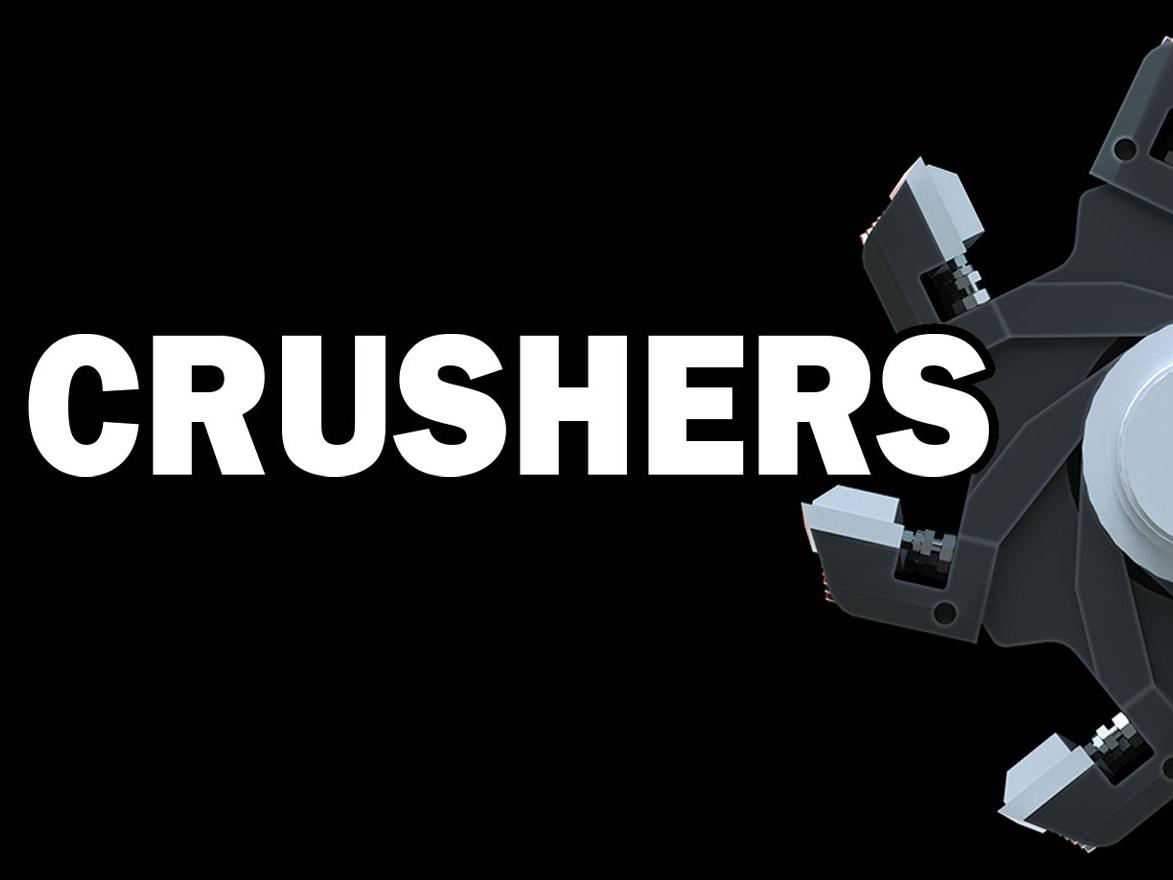
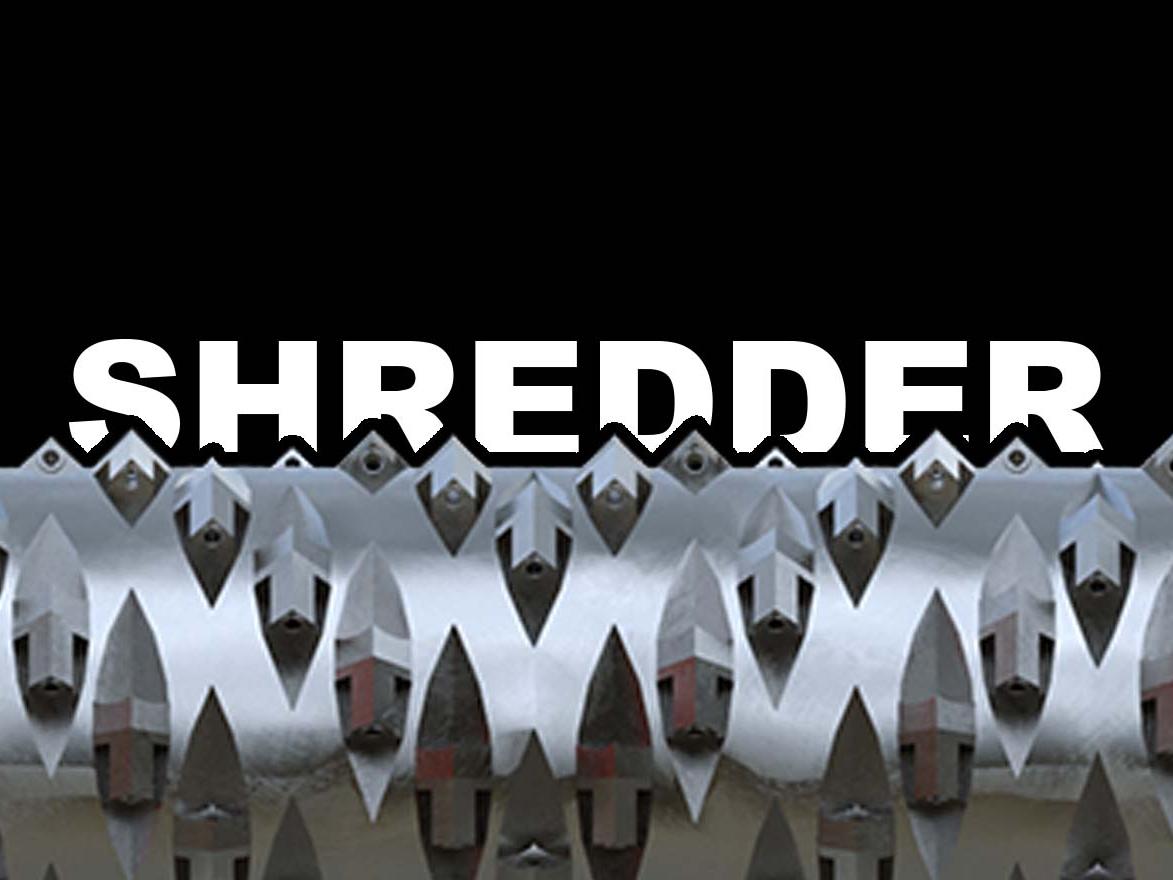
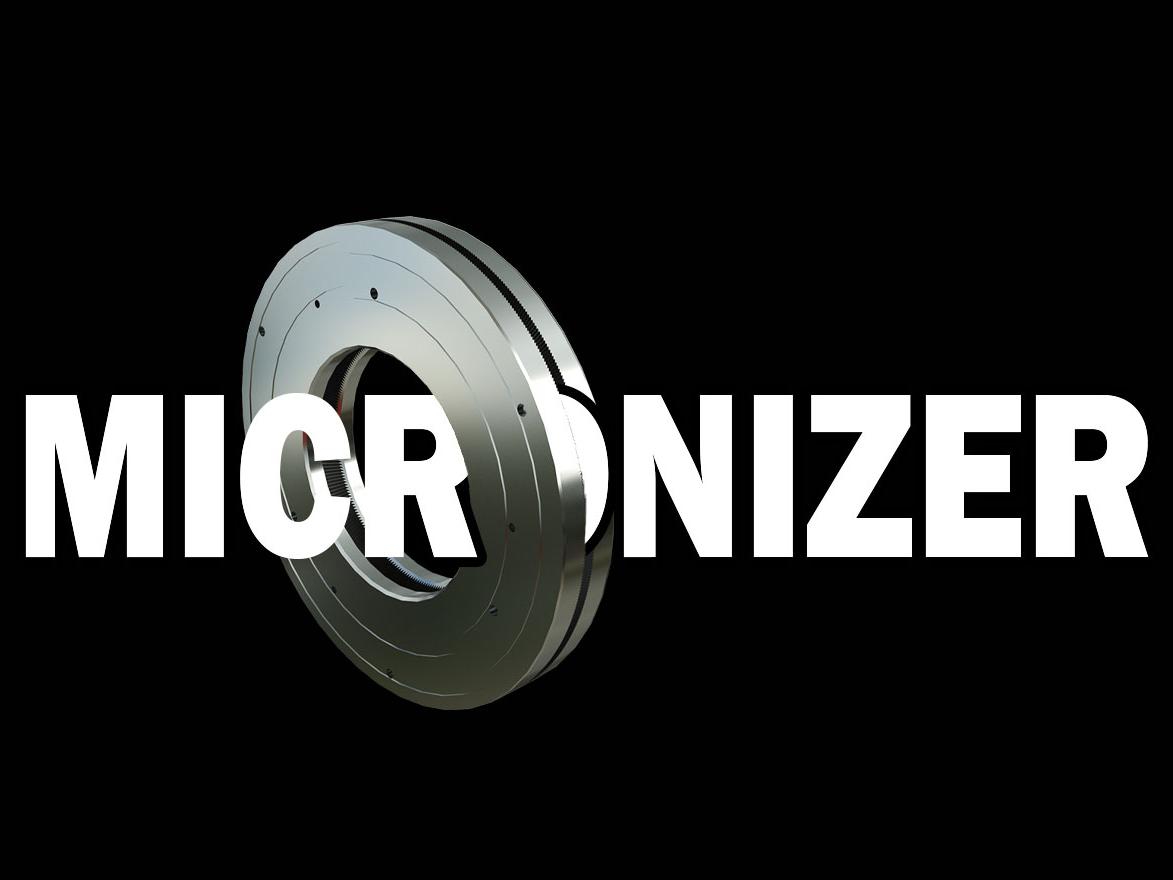
The first step of recycling is reducing plastic waste of various shapes and sizes to a consistent size that the washing, separation and extrusion stages can handle. İnan Tech’s size-reduction group covers shredders for pre-breaking, crushers (granulators) for homogeneous flake and pulverizers for fine powder — all built to complement one another under a single engineering approach.

Which machine is right for you?

The choice depends on the type, size and thickness of the material and the target output. A shredder suits the pre-breaking of large, thick parts; a crusher produces clean, homogeneous flake; and a pulverizer serves powder and filler applications. In most plants these machines work together as a sequential line.

How does size reduction work?

Size reduction works by progressively shrinking material through mechanical cutting and tearing forces. Because baled, hollow or thick parts cannot be processed to the desired fineness in a single machine, the stages complement one another: a coarse pre-break first, then homogeneous flake, and where needed a fine powder. At each stage the blade geometry, rotor speed and screen aperture are selected to deliver a consistent particle size suited to the next step.

A typical line follows this sequence:

  1. Pre-breaking: a shredder breaks bulky, baled material into coarse pieces at low speed and high torque, feeding the next machine without choking it.
  2. Homogeneous flake: a crusher (granulator) reduces the pre-broken material to even-sized flake set by the screen aperture.
  3. Fine powder: a pulverizer grinds flake or granule to micron-level powder for powder and filler applications.

This stage sits right at the start of the recycling line; by producing a consistent feed, it lays the groundwork for the washing, separation, drying and extrusion steps to run smoothly.

Choosing the right size-reduction machine

The right machine is determined by weighing your material and your target output together. No single criterion is enough on its own; the following points are usually considered side by side:

  • Material type and form: film, rigid parts, bales, pipe or profile each behave differently.
  • Part size and thickness: bulky, thick input often calls for a pre-breaking stage.
  • Contamination level: soil, sand and foreign matter influence the blade and screen selection.
  • Target output: whether you want homogeneous flake or micron-level powder directly determines the machine type.
  • Blade and screen configuration: blade geometry and screen aperture shape the output size and cutting character.
  • Noise and dust management plus sequential line layout: positioning the machines together so they feed one another affects efficiency.

To clarify the configuration that fits your material together, you can create a quote / information request.
Machines

Size Reduction machines

Frequently Asked Questions

About Size Reduction

What is the difference between a shredder and a crusher?
A shredder pre-breaks large, thick material at low speed and high torque; a crusher produces cleaner, more homogeneous flake. In most lines a shredder is used first, followed by a crusher.
When is a pulverizer needed?
In applications that require fine powder — such as powder coating, rotational molding and fillers — where micron-level powder is needed instead of flake.
Which plastics do these machines process?
Many thermoplastics such as PE, PP, PVC, PET, PS and ABS; the appropriate blade and screen configuration is determined according to the material.
Do you provide installation and service?
Yes; we provide engineering, installation, commissioning, operator training, spare parts and continuous technical service.
How often should blades be sharpened or replaced?
This depends on the type of material processed, the level of contamination and how abrasive it is. A drop in cut quality, dulled edges or irregularity in the output are typical signs that the blades are approaching the time for sharpening or replacement. Blades can be re-sharpened and wear parts are managed through planned maintenance.
How are noise and dust managed?
At the size-reduction stage, noise and dust are managed with insulation around the machine, sealing of enclosed chambers and a dust extraction/aspiration connection. Particularly at stages producing fine powder, such as the pulverizer, aspiration and suitable layout keep the working environment more orderly.

Not sure which machine fits?

Share your project; our engineering team will guide you to the right solution.

Get a Quote