Velimeşe OSB, Ergene / Tekirdağ  ·  +90 (282) 674 50 22
Product Group

Feeding & Conveying

Equipment that feeds material steadily into the line and moves it between stages.
Feeding & Conveying

Why are feeding and conveying important?

A line’s efficiency depends on how steadily material flows between stages. Feeding and conveying equipment keeps the line running without interruption — from opening bales to buffer storage and transfer by conveyors.

Which equipment does what?

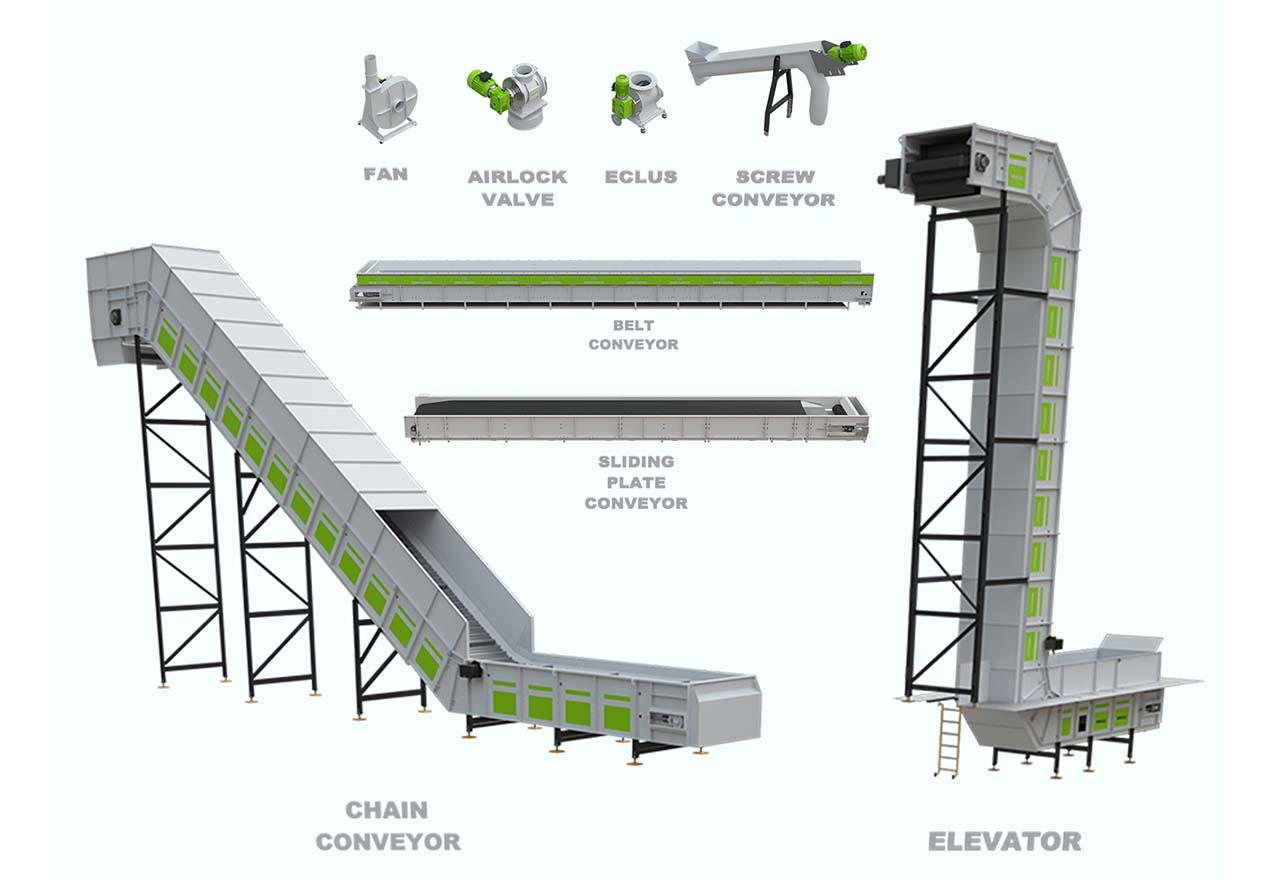
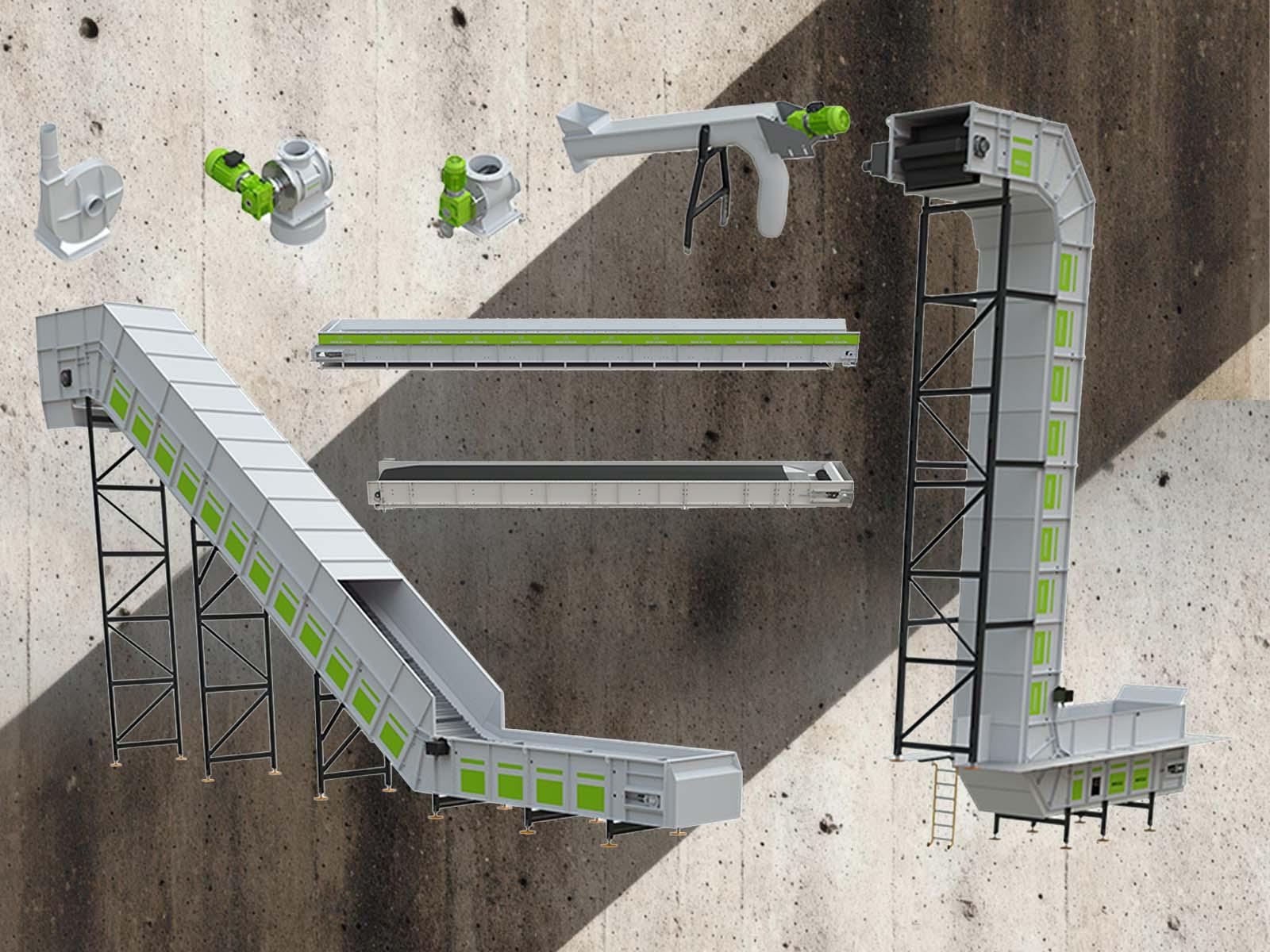
The bale opener loosens compressed bales; the bunker buffers material and feeds it steadily; and the conveying elements (belt and screw conveyors) handle transfer between stages.

How feeding & conveying works

Feeding and conveying is the chain that moves material steadily from the entry of the line through each stage. The process usually starts by loosening a compressed bale; the material is then collected at a buffer point and fed into the line in a metered way. Transfer continues with the conveying elements chosen for the distance and the form of the material. Keeping this flow even allows every downstream machine to run without idle waiting or surges.

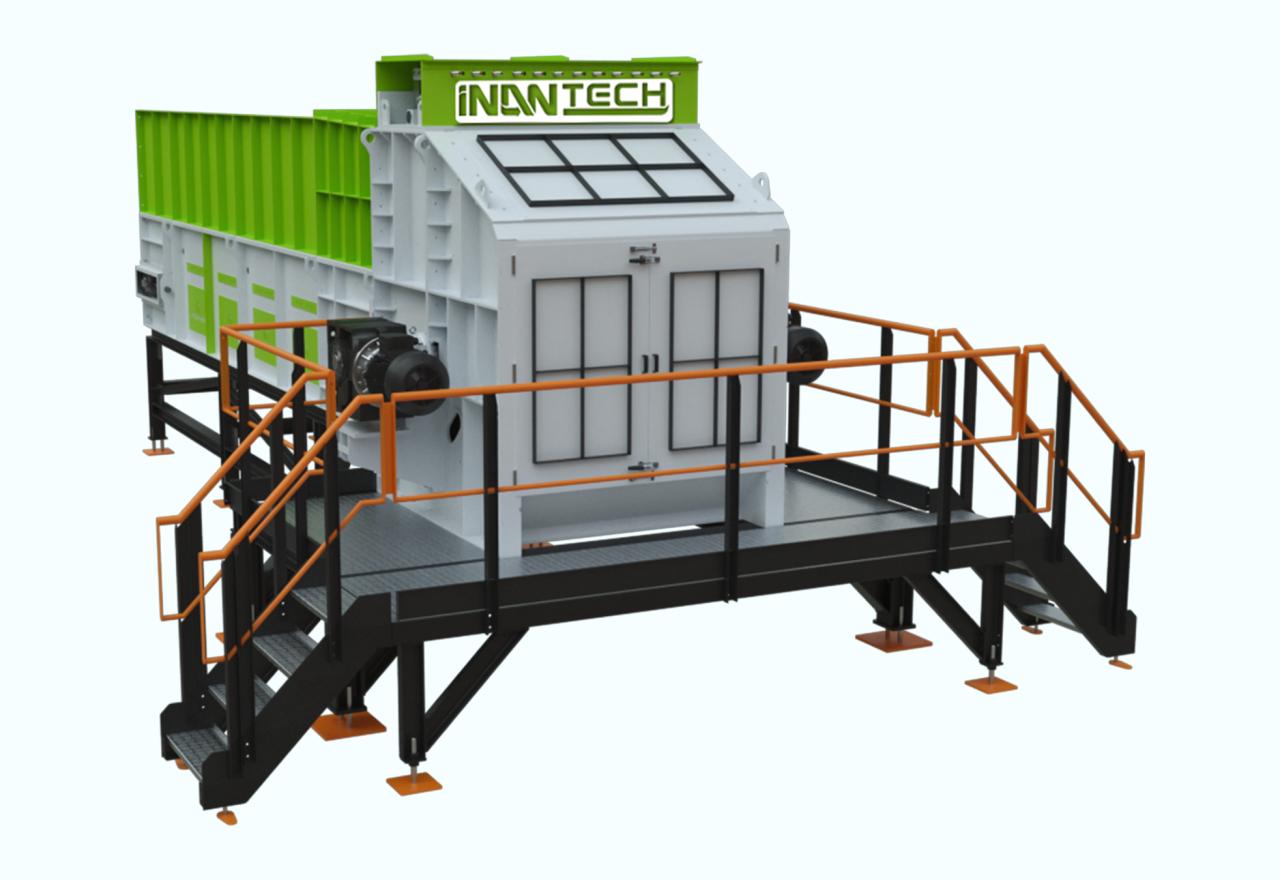
  1. Bale opening: the bale opener loosens compressed bales and breaks up clumps, helping to achieve a homogeneous feed.
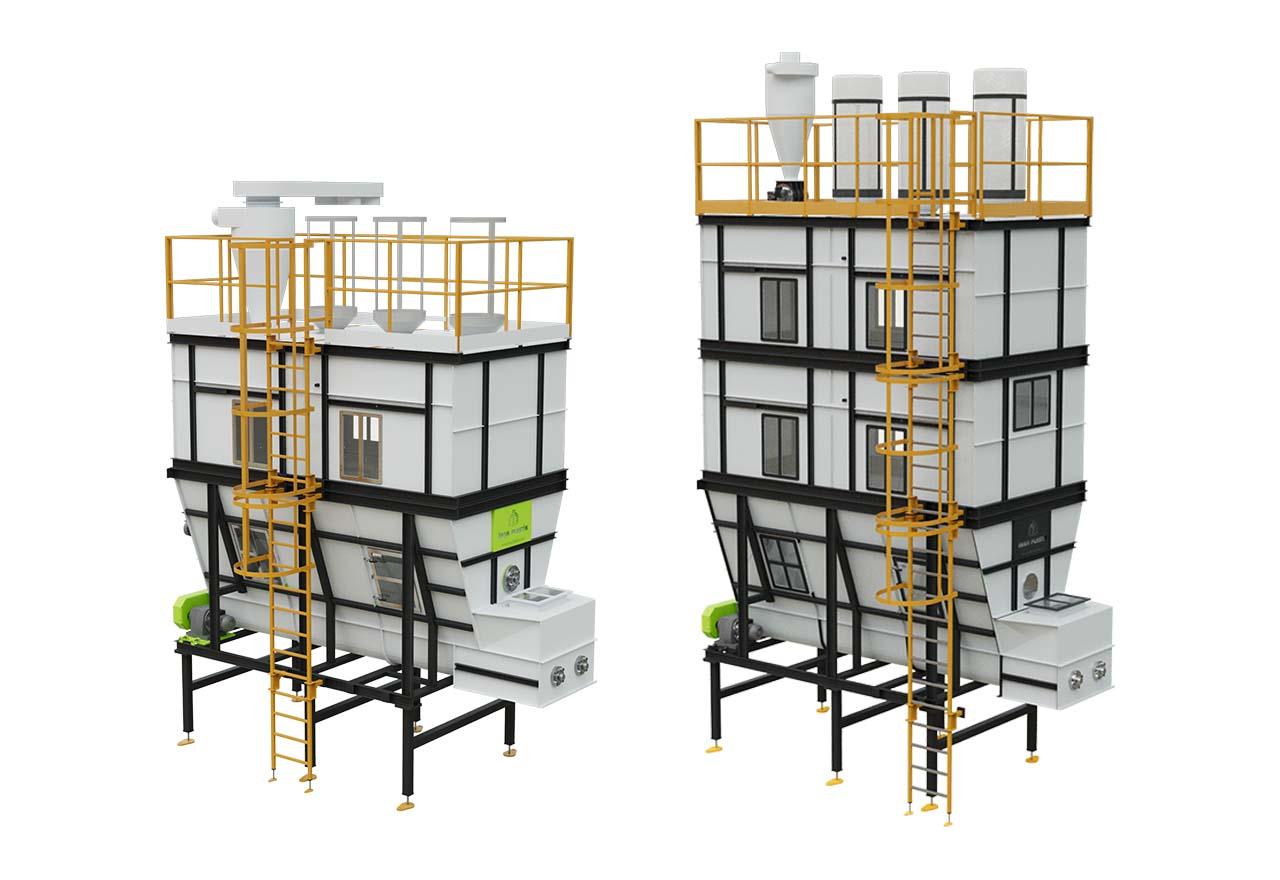
  2. Storage and bunker: the bunker holds incoming material as buffer stock and provides a metered, uninterrupted feed to the line.
  3. Conveying elements: belt, screw or pneumatic conveyors carry the flow between stages according to the form of the material and the site layout.

A balanced, even feed keeps the whole line stable and efficient; as sudden build-ups and gaps are reduced, the machines also run more predictably.

Choosing feeding & conveying

The right feeding and conveying setup is shaped by the form of your material and the layout of your site. The points below help define an arrangement that fits the need:

  • Material form: bale, loose bulk material, flake or granule; each form calls for a different feeding and conveying approach.
  • Continuous, balanced feed: whether an even flow is needed so the line runs without fluctuation.
  • Metering and buffer stock: cases where material must be held temporarily and fed to the line in an orderly way.
  • Distance and height between stages: the horizontal distance and the elevation difference of the transfer affect the suitable conveyor type.
  • Conveying type: belt, screw or pneumatic conveying, evaluated according to the material and the arrangement.
  • Site layout: the available space, machine positions and flow direction are decisive in shaping the setup.

To weigh these criteria together and plan a feeding and conveying arrangement that suits you, you can reach us through our quote page.

Machines

Feeding & Conveying machines

Bale Opener

Bale Opener

Opens/loosens pressed bales in a controlled manner and feeds the line in a balanced way.

Detail →
Frequently Asked Questions

About Feeding & Conveying

What does a bunker do?
It buffers material to feed the line in a balanced, uninterrupted way.
What conveyor types are there?
Belt and screw conveyors; selected according to the material and layout.
Is feeding automation possible?
Yes; the feed rate can be controlled with level sensors and automation.
Do you provide installation and service?
Yes; we provide engineering, installation, commissioning, operator training, spare parts and continuous technical service.
Why is a balanced feed important?
An even, balanced feed lets material flow steadily between stages; as sudden build-ups and gaps are reduced, the line runs more stably and efficiently.
Which conveying type suits which material?
The conveying type is evaluated according to the form of the material and the site layout; belt, screw and pneumatic conveyors are options suited to different forms and distances.

Not sure which machine fits?

Share your project; our engineering team will guide you to the right solution.

Get a Quote