Velimeşe OSB, Ergene / Tekirdağ  ·  +90 (282) 674 50 22
Product Group

Washing Systems

Units that clean plastic stage by stage, from coarse pre-washing to hot and intensive washing.
Washing Systems

Why is plastic washing important?

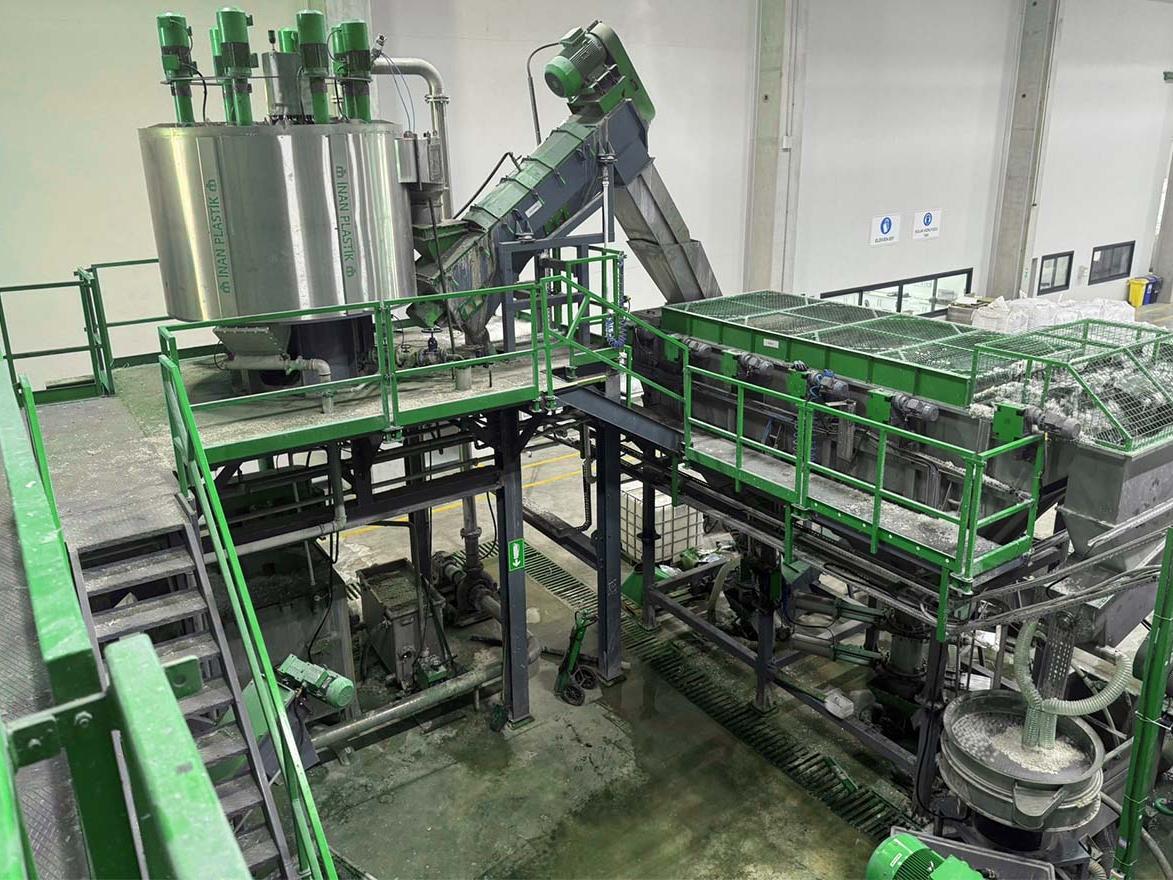
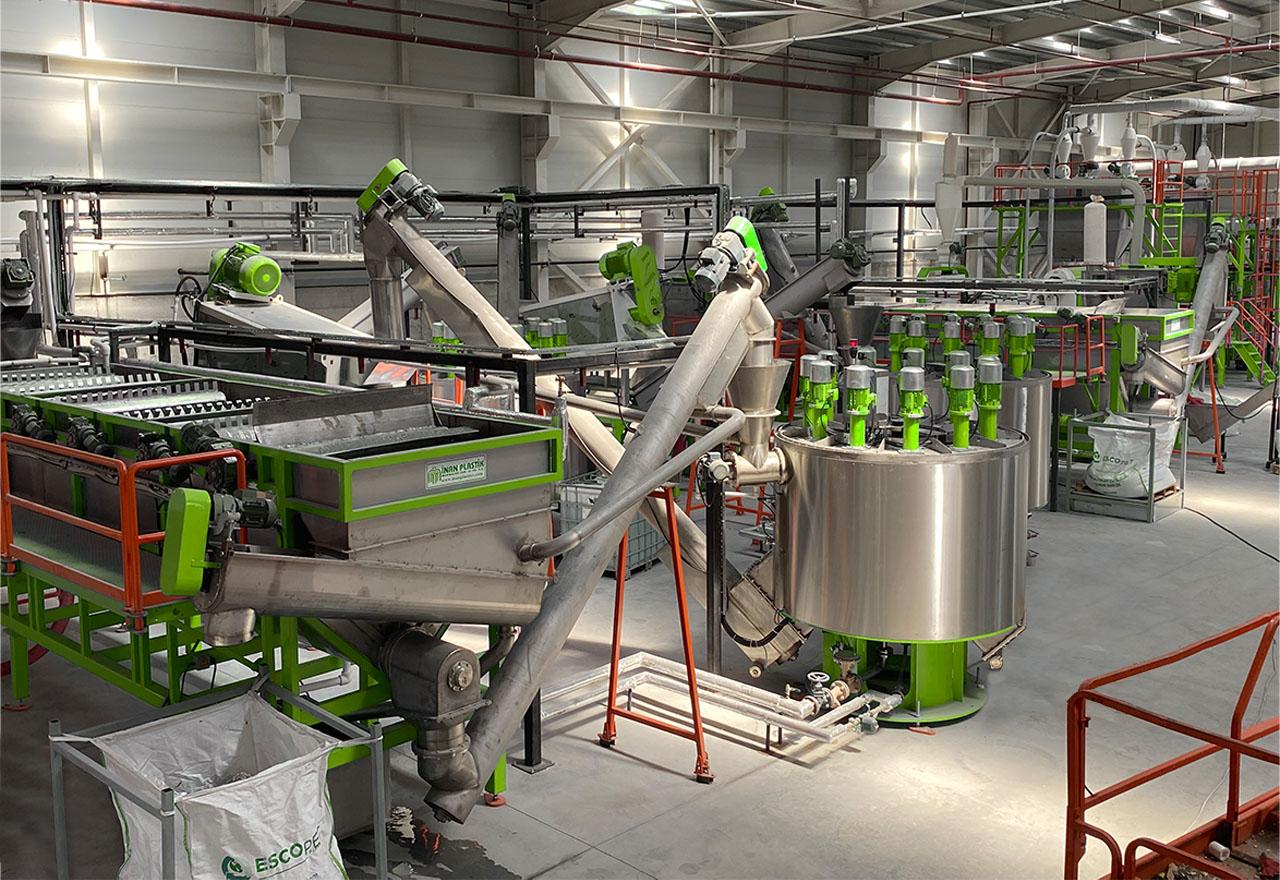
The quality of recycled plastic depends largely on how well it is washed. Label, oil, soil and adhesive residues affect the colour, odour and mechanical strength of the final granule. İnan Tech washing systems provide staged cleaning, from coarse pre-washing to hot and intensive washing.

How do the stages fit together?

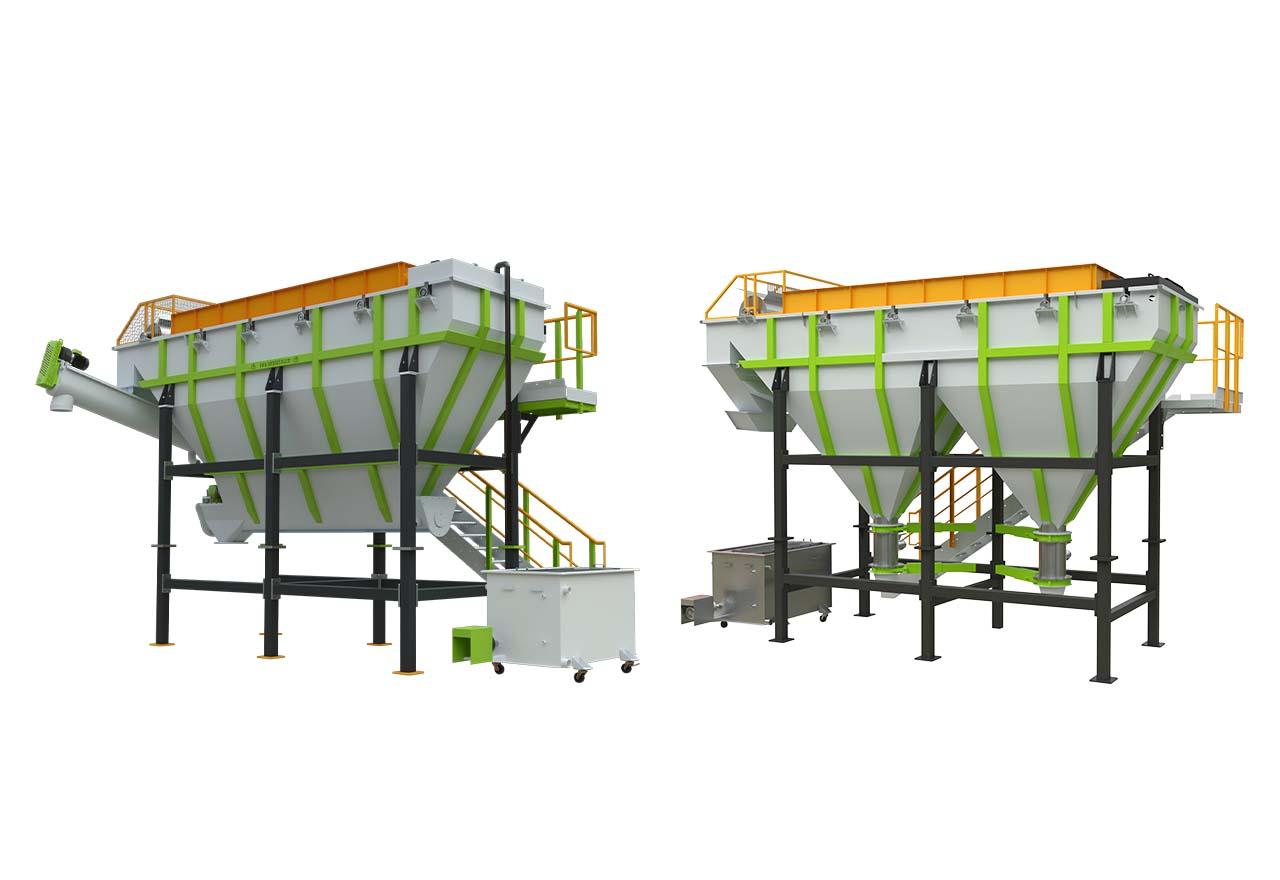
A typical sequence is: pre-washing for coarse dirt → hot washing for oil and adhesive → friction washing for mechanical cleaning and dewatering → sink-float for density separation. The stages are selected according to the material.

How the washing stages work

Washing is not a single operation but a sequence of complementary stages. Each stage targets a different type of contamination; a single tank cannot remove every residue at once. The flow roughly follows this logic:

  1. Prewash: Removes coarse dirt such as soil, stones, sand and loose paper at the very first step, easing the load on later stages.
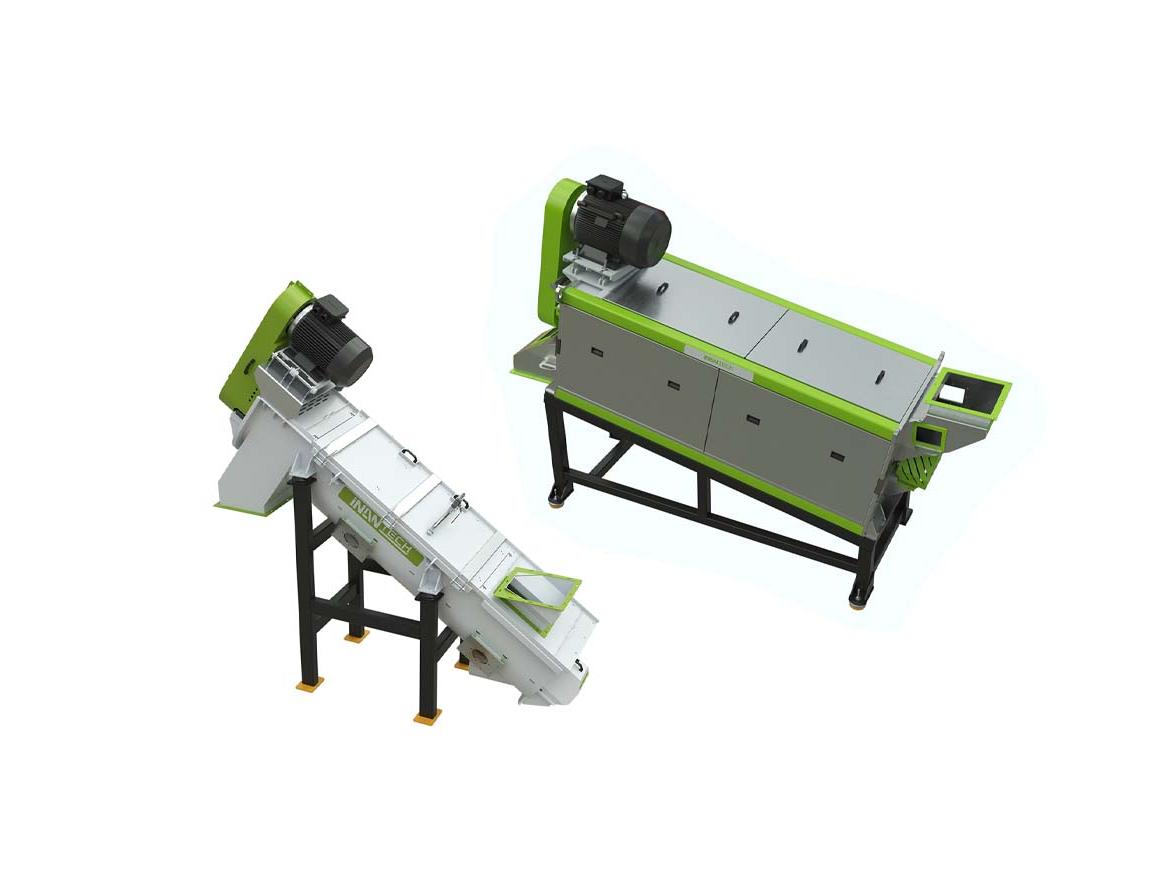
  2. Friction washer: Mechanically scrubs the thin film of surface dirt and loose layers as the particles rub against each other and the housing.
  3. Hot wash: Dissolves stubborn residues such as oil, adhesive and label glue with hot water and, where needed, detergent.
  4. Sink-float separation: Uses density difference to separate floating and sinking polymers, so the unwanted plastic type leaves the stream.

Multiple stages are needed because surface contamination is layered: coarse dirt, thin film and chemical residue each call for a different method. The colour, odour and processability of the resulting flake or granule depend directly on how well this washing chain is configured.

Choosing a washing system

The right washing configuration is shaped by your material and the output cleanliness you are aiming for. The same machine may not be ideal for every stream; several core criteria should be weighed together when making a choice:

  • Type of contamination: Whether soil, oil or label-adhesive dominates determines which stages take priority.
  • Material type: Thin film, rigid plastic and PET behave differently in washing, so aggressiveness and dwell time are adjusted accordingly.
  • Temperature and detergent needs: Oily and sticky streams benefit from hot washing, while cleaner streams may be handled with cold washing.
  • Water recovery and filtration: Filtering and recirculating the water reduces consumption and lowers operating load.
  • Output cleanliness target: The application the final granule will serve defines the cleanliness level to be reached.
  • Number of stages: Dirtier input generally calls for more washing steps.

If you would like to assess together which stages make sense for your material, you can share your project through the quote page.
Machines

Washing Systems machines

Plastic Washing Line

Plastic Washing Line

Washing and separation solutions that free dirty, contaminated plastic from oil, labels and soil, turning it into clean,...

Detail →
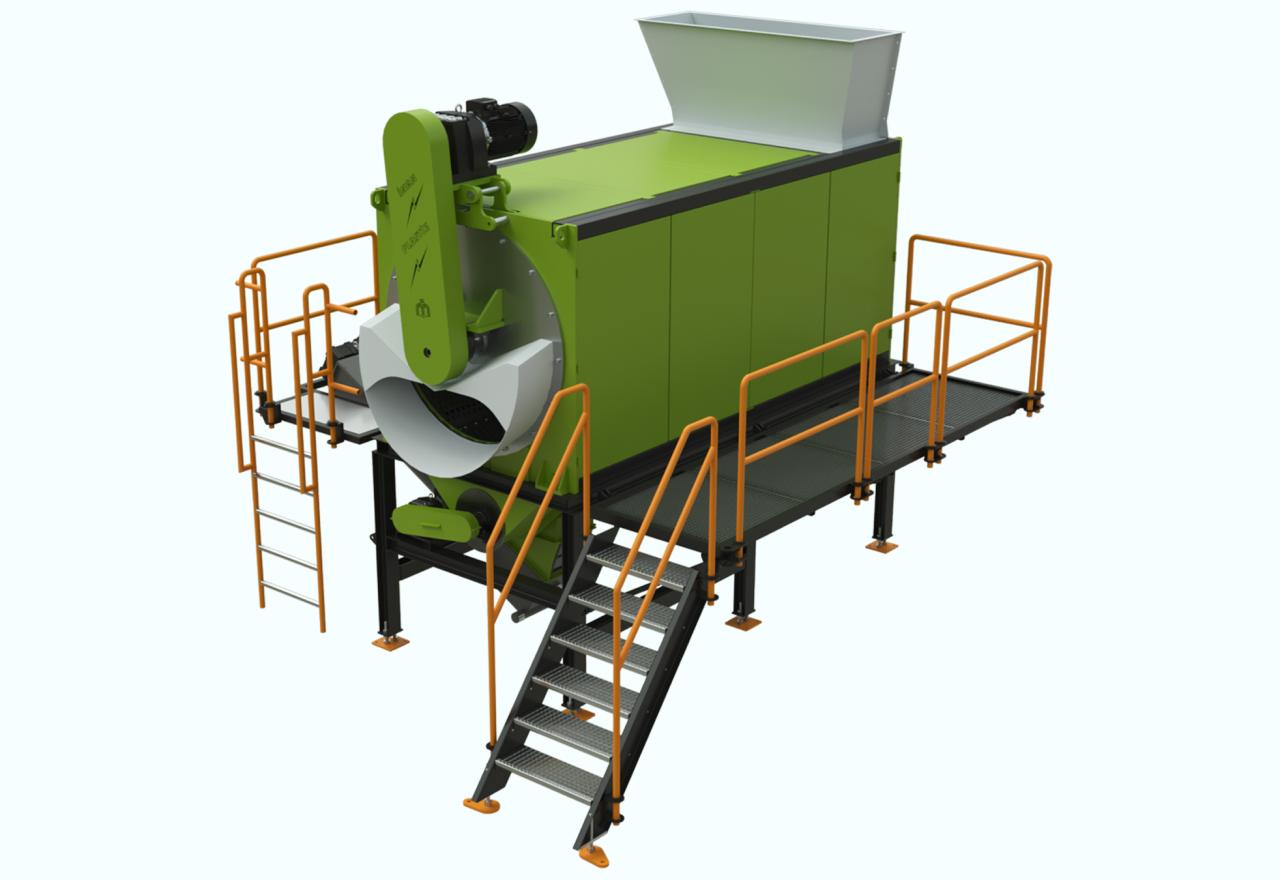
Pre-Washing Unit

Pre-Washing Unit

Roughly cleans crushed plastic through pre-washing; separates coarse dirt such as dust, soil and sand, and light foreign...

Detail →
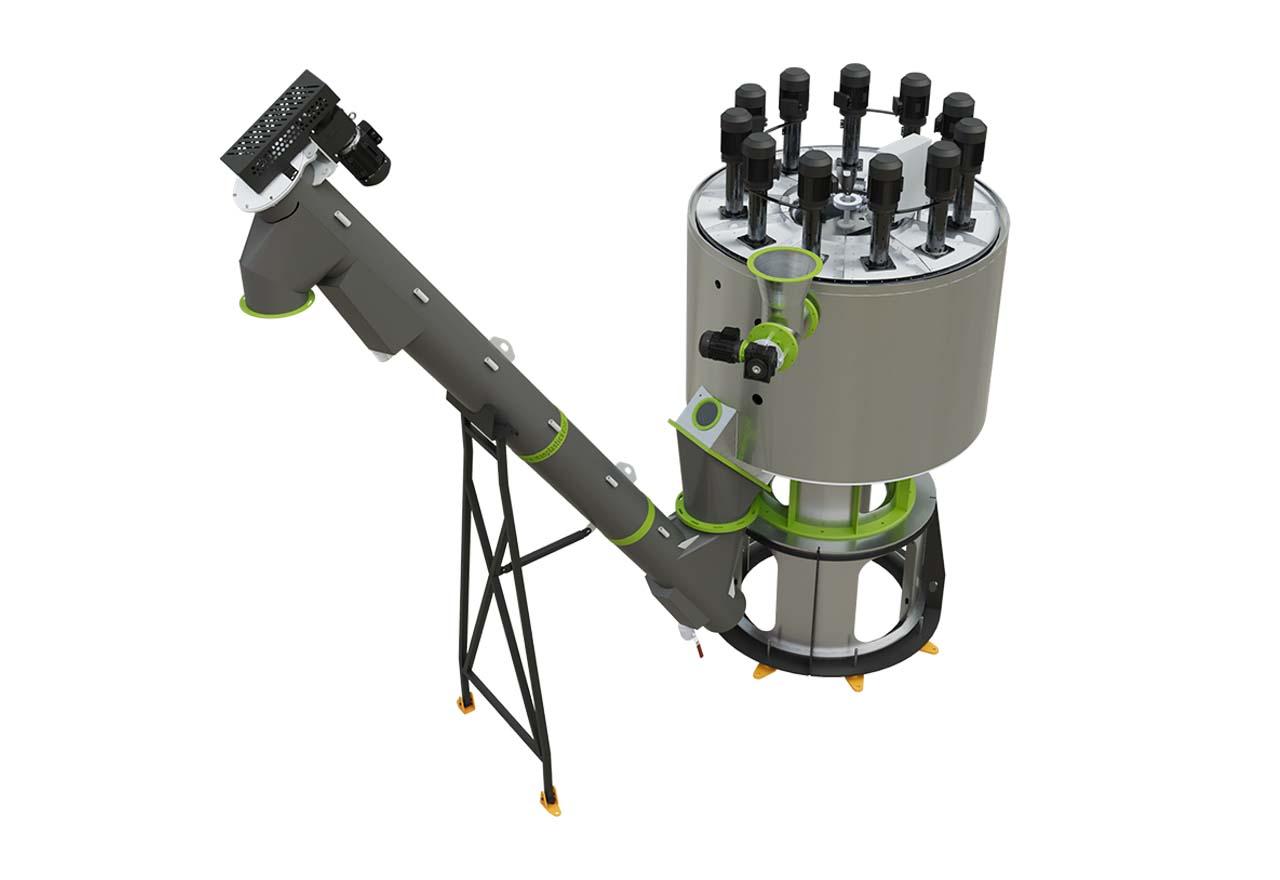
Hot Washing Unit

Hot Washing Unit

Deeply cleans flakes by dissolving oil, adhesive and stubborn dirt with hot water and, where needed, chemical support. F...

Detail →
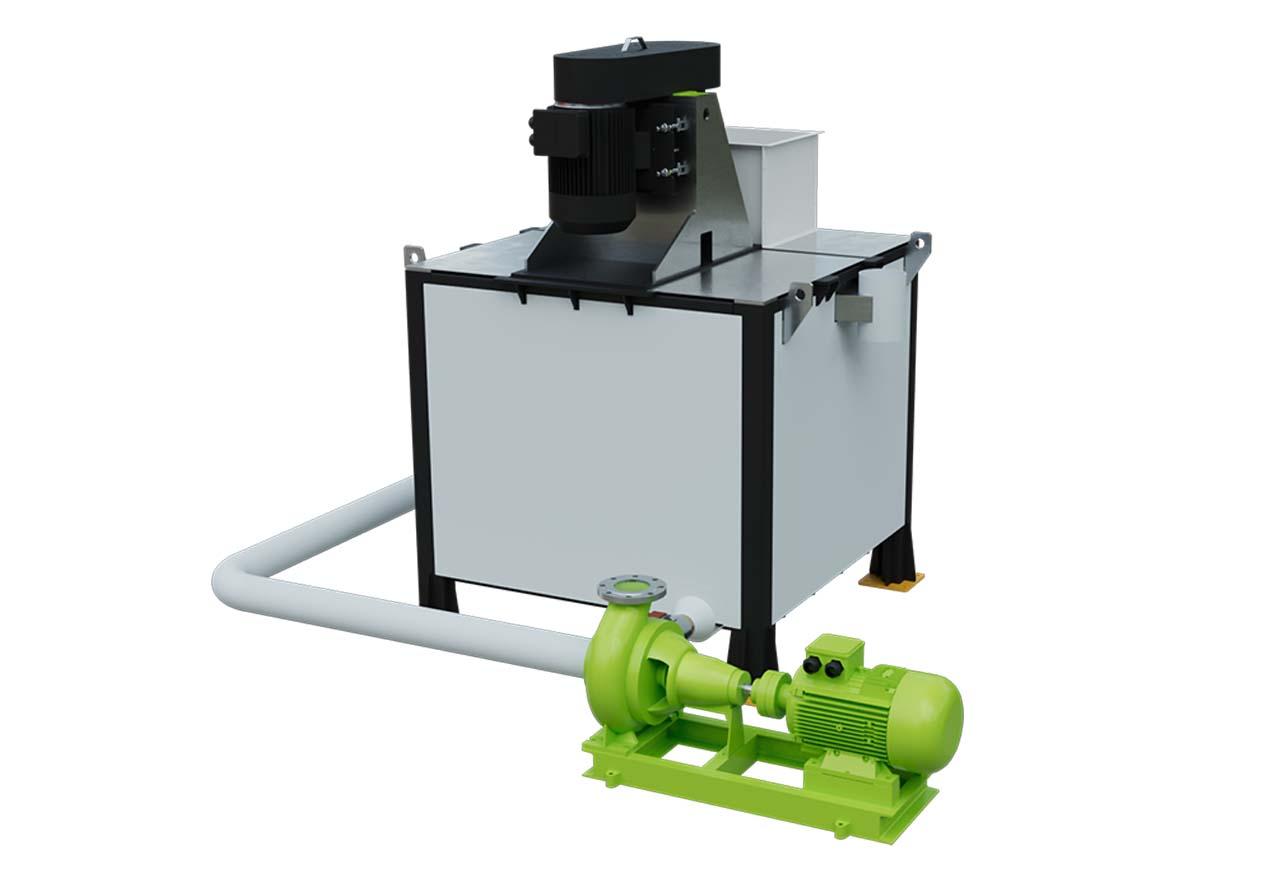
Frequently Asked Questions

About Washing Systems

Is hot washing always necessary?
It is recommended for oily, sticky or heavily soiled material; for cleaner streams, cold washing may be sufficient.
What does sink-float separation do?
It separates floating plastics such as PP/PE from sinking plastics such as PET/PVC by density difference.
Can the wash water be managed?
Lines can be planned with filtration and recirculation solutions to reduce water consumption.
Do you provide installation and service?
Yes; we provide engineering, installation, commissioning, operator training, spare parts and continuous technical service.
When is hot washing needed?
For streams with stubborn residues such as oil, adhesive or label glue, hot water helps dissolve these contaminants; for relatively clean input, cold stages are often sufficient.
Can the wash water be recovered?
By planning the line with filtration and recirculation solutions, part of the water can be filtered and reused, which reduces water consumption and operating load.

Not sure which machine fits?

Share your project; our engineering team will guide you to the right solution.

Get a Quote