How does a plastic film recycling machine work, which waste can it process and what information do you need for a quote? We walk through the line that washes dirty film and LDPE waste and turns it into pellets.
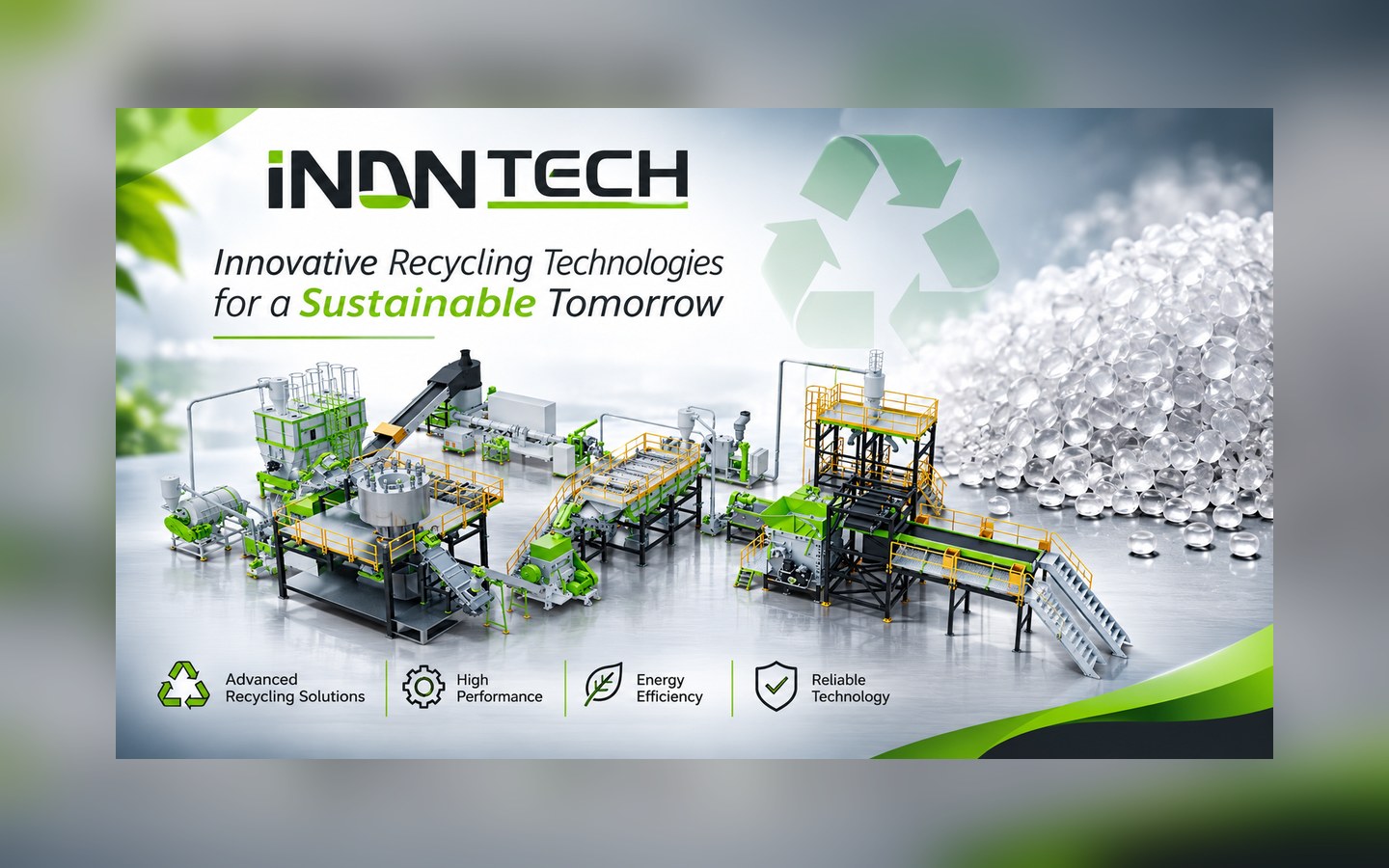
Plastic bags, stretch film, greenhouse film and packaging film are among the hardest plastics to recycle because they are thin and light. They often arrive contaminated with soil, moisture and organic residue. In this article, we explain the steps of a plastic film recycling line, the machines it uses and what needs to be clear before investing.
When people talk about a plastic film recycling machine, they usually mean a film and LDPE recycling line made up of connected machines. The line opens, shreds, washes, separates, dries and, if required, extrudes dirty film waste into pellets. The recycled LDPE pellets are then used again as raw material in production.
Clean production scrap and dirty collected waste do not need the same line. The dirtier the waste, the more washing stages the line needs.
Because film is thin and light, it easily holds dirt and water. That is why film lines need stronger pre-washing, more rinsing and stronger dewatering than rigid plastic lines. The number and intensity of the stages depend on how contaminated the waste is.
Recycled LDPE pellets are used again in products such as garbage bags, carrier film, pipes and profiles. Pellet quality depends on how clean the input is and on the washing stages of the line.
The right line starts with knowing your waste. If you share the following in your request, we can size the line for your material:
İnan Tech has been manufacturing recycling machinery since 1991 and exports to more than 65 countries. For PE, PP, LDPE and HDPE, we build the line from bale opening to pellets with our own extruders, from a single supplier. The main machines of the line are manufactured in our factory in Velimeşe, Türkiye.
Share your film type, photos of your waste and your target capacity, and our team will suggest the right line.
