Velimeşe OSB, Ergene / Tekirdağ  ·  +90 (282) 674 50 22
Guide

Single-Shaft or Double-Shaft Shredder?

This is the most common question when choosing a shredder. Both pre-shred, but they are designed for different jobs. Here is a short decision guide.
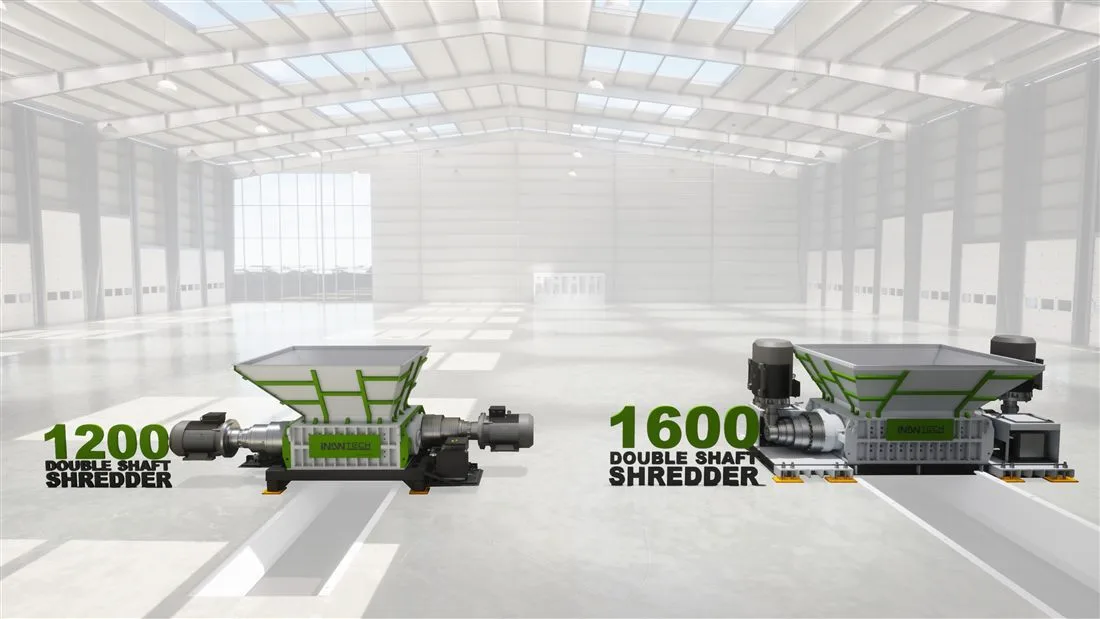
Single-Shaft or Double-Shaft Shredder?

Key takeaways

  • Both single- and double-shaft shredders pre-shred at the first line stage; the difference is how they shred and what output they deliver.
  • Single-shaft: a screen produces uniform, specific-size output; well suited to film, sheet, profile and injection scrap.
  • Double-shaft: low speed, high torque for bulky, tough material such as drums, barrels, bales and pallets, with a coarser output.
  • The choice depends on material type, part size and desired output; often using both together is the most efficient.

What do both of them do?

Both single- and double-shaft shredders pre-shred large, bulky plastic at the first stage of the recycling line. The aim is to bring the material down to a manageable size for the next stage (crushing, washing). The difference lies in how they shred and what output they deliver.

When to choose a single-shaft shredder?

In a single-shaft model there is a rotating rotor, a hydraulic pusher and a screen beneath the rotor. The material is pressed against the rotor, shredded, and only the pieces that pass through the screen holes come out. This way the output size is controlled and uniform. It is ideal when:

  • You want a uniform output of a specific size in a single stage
  • You are processing film, sheet, profile, injection scrap and packaging
  • You want to adjust the output size via the screen

When to choose a double-shaft shredder?

In a double-shaft model, two counter-rotating shafts tear and shred the material at low speed and very high torque. It is usually screenless and delivers a coarser output. It stands out when:

  • Handling the bulkiest, toughest materials such as drums, barrels, bales, pallets, big bags and blocks
  • Working with streams where the risk of foreign objects and hard parts is high
  • You want to only reduce volume at the first stage and leave finer reduction to the next stage

How do you decide?

The decision is made according to the material type, part size, desired output fineness and hourly throughput. In most plants the most efficient solution is to use both together (or a shredder plus a crusher): the double-shaft opens it up roughly, while the single-shaft or crusher makes it uniform. We can determine the right combination together by evaluating your material.

Let us identify the right solution together

Tell us your needs and we will recommend the machine and line that suit you best.

Get a Quote
Frequently Asked Questions

Common questions on this topic

What is the difference between a single-shaft and a double-shaft shredder?
Both pre-shred at the first line stage; the single-shaft uses a screen to deliver a uniform, specific-size output, while the double-shaft delivers a coarser output at low speed and high torque.
Which shredder is suitable for film, sheet and injection scrap?
The single-shaft shredder is ideal for film, sheet, profile, injection scrap and packaging because its screen delivers a uniform output of a specific size.
Which shredder should I choose for bulky material like drums, barrels and pallets?
The double-shaft shredder stands out for bulky, tough material such as drums, barrels, bales, pallets, big bags and blocks thanks to its low speed and very high torque.